Renovating a Dutch House as an Expat
Buying a home in the Netherlands is an exciting step, but many international homeowners discover that their new Dutch house needs renovation, modernisation or improvement.
Whether you have bought a traditional townhouse in The Hague, a 1930s house in Statenkwartier, an apartment near the city centre or a family home in Wassenaar, renovating a Dutch property can be very different from renovating a home in your home country.
You may need to deal with older construction methods, Dutch building standards, multiple trades, permits and unfamiliar construction terminology.
This guide explains what expats should consider when renovating a house in the Netherlands, from inspecting the property and planning the work to budgeting and managing the renovation.
Why Do Dutch Homes Often Need Renovation?
Dutch homes come in many different styles and ages. Properties built several decades ago can have features that no longer meet modern expectations for comfort, energy efficiency or layout.
Depending on the age and condition of the property, you may find:
-
Older kitchens and bathrooms
-
Limited insulation
-
Older electrical installations
-
Inefficient heating systems
-
Poor ventilation
-
Original windows and doors
-
Small or separated rooms
-
Outdated plumbing
-
Maintenance issues caused by the age of the property
Renovation gives homeowners the opportunity to improve the comfort, functionality and energy efficiency of their property while adapting it to their own needs.
Renovating a 1930s House in The Hague
The Hague has many neighbourhoods with attractive houses dating from the early twentieth century.
Areas such as Statenkwartier, Benoordenhout, Duinoord, Scheveningen and Bezuidenhout contain many properties with original architectural features and character.
These homes may have:
-
High ceilings
-
Large windows
-
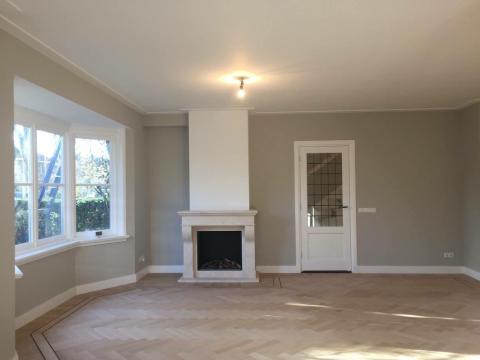
Original doors and woodwork
-
Traditional layouts
-
Decorative architectural details
At the same time, an older house may require improvements to insulation, plumbing, electrical installations, heating, ventilation, kitchens and bathrooms.
When renovating a character property, it is important to find a balance between preserving the original character and creating a comfortable modern home.
Common Renovation Projects for Expats
Every property is different, but international homeowners commonly undertake several types of renovation work.
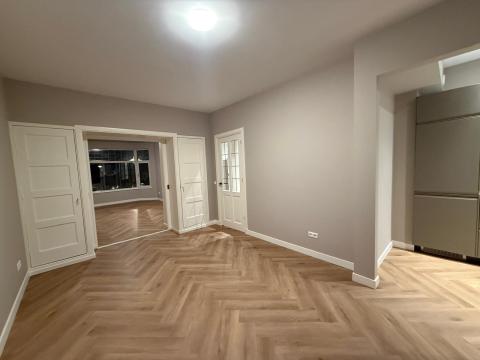
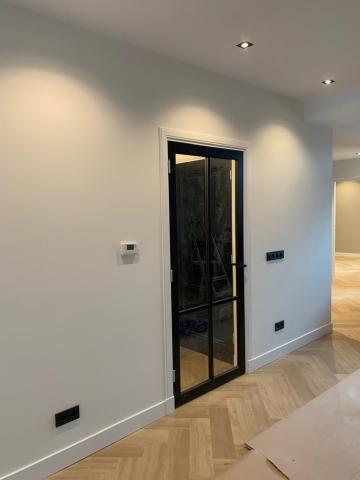
Complete Home Renovation
Some buyers purchase a property that needs a complete transformation before they move in.
A complete renovation can involve:
-
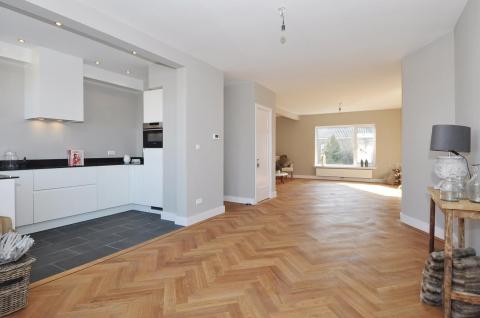
Changing the interior layout
-
Removing or altering walls
-
Updating electrical installations
-
Improving plumbing
-
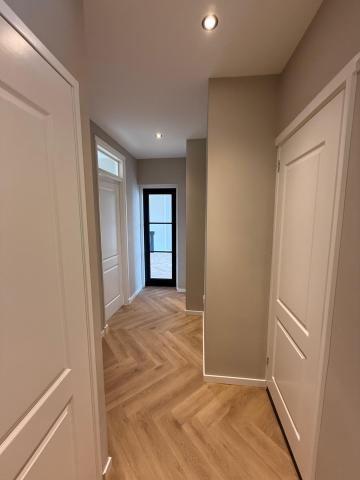
Installing new flooring
-
Renovating the kitchen
-
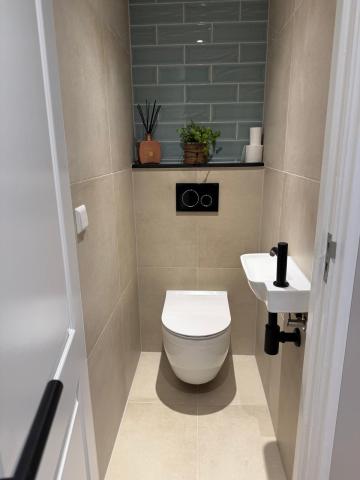
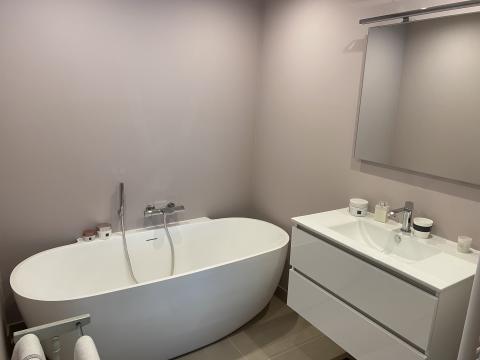
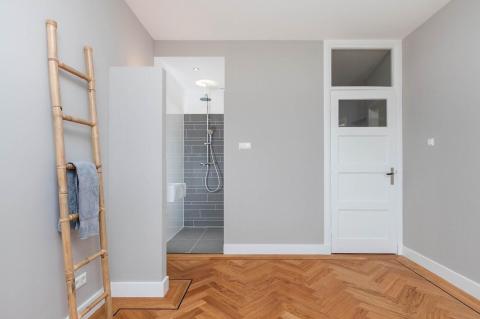
Renovating bathrooms
-
Improving heating and ventilation
-
Upgrading insulation
-
Plastering and painting
-
General finishing work
For larger renovations, coordinating different trades is an important part of keeping the project organised.
Kitchen and Bathroom Renovation
Kitchens and bathrooms are among the most common areas to renovate after purchasing a Dutch home.
Work can include plumbing, electrical installations, tiling, plastering, flooring, fixtures and finishing.
Structural Alterations
Some homeowners want to create a more open living area, add a bedroom or change the layout of their home.
Removing a wall or making another structural alteration requires careful planning. Depending on the property and proposed changes, structural calculations, professional advice or permits may be required.
Home Extensions and Dormers
If you need more living space, an extension or dormer can be an alternative to moving to a larger property.
The possibilities depend on the property, its location and local requirements.
The Challenges of Renovating as an Expat
Renovating a home can be challenging for any homeowner. For expats, there are some additional considerations.
Language and Construction Terminology
Dutch construction terminology can be difficult to understand if Dutch is not your first language.
Even a straightforward renovation involves communication about materials, measurements, planning, installations and technical details.
Working with an English-speaking contractor can make these discussions much easier.
Finding Reliable Contractors
A larger renovation may involve builders, electricians, plumbers, carpenters, plasterers, painters and other specialists.
Managing several independent contractors yourself can become time-consuming, particularly if you are working full-time or are not living in the property during the renovation.
A contractor who coordinates different trades can provide one central point of contact.
Understanding Dutch Building Requirements
Renovation work in the Netherlands needs to take account of applicable building requirements and technical standards.
Depending on the project, this can involve matters such as:
-
Structural safety
-
Electrical installations
-
Insulation
-
Fire safety
-
Ventilation
-
Energy performance
-
Changes to the structure or exterior of the property
-
Permits or notification requirements
The exact requirements depend on the type and location of the renovation.
Step-by-Step: Renovating a Dutch House
A clear process can make a major renovation much easier to manage.
1. Inspect the Property
Before deciding exactly what to renovate, assess the current condition of the property.
Important points may include:
-
Structural condition
-
Moisture or damp problems
-
Roof condition
-
Insulation
-
Electrical installations
-
Plumbing
-
Heating and ventilation
-
Potential layout changes
If you have recently purchased the property, this is also a good moment to identify work that should be completed before moving in.
2. Define Your Renovation Plans
Decide what you want the finished home to look like and which improvements are most important.
For example, you may want to:
-
Create an open-plan living area
-
Install a modern kitchen
-
Renovate the bathroom
-
Add a home office
-
Create an additional bedroom
-
Improve insulation
-
Upgrade heating
-
Replace windows
-
Extend the living space
Having a clear scope helps contractors prepare a more accurate quotation.
3. Establish a Realistic Budget
Your renovation budget should account for more than just labour.
Depending on the project, costs can include:
-
Construction work
-
Materials
-
Kitchen or bathroom products
-
Design or professional advice
-
Structural work
-
Permits where applicable
-
Finishing work
-
Unexpected issues
For older properties in particular, it is sensible to allow some flexibility in the budget because hidden issues can sometimes become visible once renovation work begins.
How Much Does It Cost to Renovate a House in the Netherlands?
There is no single price for renovating a Dutch house.
The total cost depends on factors such as:
-
Size of the property
-
Age and condition of the house
-
Amount of structural work
-
Materials and finishes
-
Number of rooms being renovated
-
Technical installations
-
Kitchen and bathroom choices
-
Energy-efficiency improvements
-
Complexity of the project
It can be useful to think about renovations in three broad categories.
Cosmetic Renovation
This may include painting, flooring, minor repairs and other improvements that do not significantly change the structure or installations.
Medium-Sized Renovation
This can include work such as a new kitchen or bathroom, electrical improvements, heating upgrades and changes to the interior.
Complete Renovation
A complete renovation can involve structural alterations, new installations, insulation, kitchens, bathrooms, flooring and extensive finishing work.
For a realistic budget, the property and proposed scope of work should be assessed before a quotation is prepared.
Renovating Before Moving In
Many international homeowners choose to renovate their property before moving in.
There can be practical advantages to doing major work while the property is empty:
-
Contractors have easier access to the rooms
-
Furniture does not need to be moved repeatedly
-
Dust and construction work are easier to manage
-
Flooring and other finishes can be installed without working around furniture
-
Multiple renovation activities can be coordinated more efficiently
If you are buying a property and already know that significant renovation is required, planning the work before your move-in date can therefore be worth considering.
Improving Energy Efficiency
Renovation is also an opportunity to improve the energy performance of a Dutch home.
Depending on the property, improvements may include:
-
Roof insulation
-
Floor insulation
-
Wall insulation
-
Improved windows
-
Energy-efficient glazing
-
Improved heating systems
-
Better ventilation
The right improvements depend on the existing construction and the condition of the property.
For older houses, combining renovation with energy-efficiency improvements can make the home more comfortable and potentially reduce energy consumption.
Working With a Renovation Contractor
For a larger renovation, having one contractor coordinate different trades can make the project easier to manage.
Instead of arranging separate appointments with electricians, plumbers, carpenters, plasterers and painters, a renovation contractor can coordinate the work and manage the sequence of activities.
This can be particularly useful for expats who:
-
Prefer to communicate in English
-
Are working full-time
-
Are not yet living in the property
-
Travel frequently
-
Are unfamiliar with the Dutch construction industry
At Floramer Construct, we help international homeowners coordinate renovation and construction work in The Hague and surrounding areas.
Renovating a Dutch House With Floramer Construct
Floramer Construct works with expats and international homeowners who are renovating properties in and around The Hague.
We can coordinate different aspects of a renovation, including construction, structural alterations, electrical work, plumbing, plastering, painting, flooring, insulation, heating and finishing work.
Our approach focuses on:
-
Clear English communication
-
One central point of contact
-
Practical project coordination
-
Clear planning
-
Transparent quotations
-
Local knowledge of the The Hague area
If you are planning a renovation, we can discuss the property, your plans and the work you would like to carry out.
Areas Around The Hague
Floramer Construct primarily works in The Hague and surrounding areas, including:
-
The Hague
-
Voorburg
-
Leidschendam
-
Rijswijk
-
Delft
-
Zoetermeer
-
Leiden
-
Oegstgeest
-
Surrounding areas
For larger projects outside these areas, you can contact us to discuss the possibilities.
Frequently Asked Questions
Can an expat renovate a house in the Netherlands without speaking Dutch?
Yes. You can renovate a property without speaking Dutch, although communication with contractors and other professionals can be more difficult.
Working with an English-speaking contractor can make it easier to discuss the renovation, planning, materials and technical details.
How long does it take to renovate a Dutch house?
The timeline depends on the size and complexity of the renovation.
A smaller renovation may take several weeks, while a complete renovation can take several months. Structural changes, permits, material availability and unexpected issues can also affect the schedule.
Should I renovate before moving into my Dutch home?
For major renovations, renovating before moving in can be practical because the property is empty and contractors have easier access.
However, the best approach depends on your renovation plans, purchase timeline and personal circumstances.
Do I need a permit to renovate a house in the Netherlands?
Some renovation projects require a permit or other notification, while many interior changes do not.
The requirements depend on the type of work, the property and its location. Structural or exterior changes may require additional checks.
Can a renovation contractor manage different trades?
Yes. A contractor can coordinate different specialists such as builders, electricians, plumbers, carpenters, plasterers and painters.
This can make larger renovation projects easier for homeowners to manage.
Can Floramer work with my architect or project manager?
Yes. Floramer Construct can work alongside an architect, project manager, independent supervisor or other professional appointed by the homeowner.
Planning to Renovate a Dutch House?
Renovating a Dutch home as an expat does not have to be complicated.
With proper planning, a realistic budget and the right renovation partner, you can transform an older or outdated property into a comfortable home that suits your needs.
If you are planning a renovation in The Hague or the surrounding area, contact Floramer Construct to discuss your project.
Vraag vrijblijvend een offerte of advies aan
Wilt u uw woning laten verbouwen, renoveren of uitbreiden? Floramer Construct helpt u graag verder. Met ons team specialisten realiseren wij complete projecten in Den Haag en heel Zuid-Holland - van kleine verbouwingen tot totale renovaties. Vul het formulier in en wij nemen zo snel mogelijk contact met u op om uw wensen te bespreken en eventueel een vrijblijvende afspraak in te plannen. Vakmanschap, openheid, snelheid en betaalbaarheid staan bij ons centraal.